Migraines affect thousands of residents in West Hills, and many patients find themselves asking the same question. Should I choose a holistic path, a medical path, or a blend of both? As migraine care continues to evolve, West Hills clinics and wellness centres now offer a wider range of solutions than ever before. Choosing the right path can significantly influence your long term comfort, daily performance and emotional wellbeing.
This guide explores how holistic and medical migraine treatments differ, where they overlap and how West Hills patients can build a personalized plan that actually works.
Why Migraine Care in West Hills is Expanding
West Hills has a growing interest in integrative health solutions. Local patients consistently look for care that supports:
- Lower medication dependence
- Better stress management
- Long term prevention
- Faster relief during flare ups
- More personalised attention
Clinics are responding with care models that blend traditional neurology with whole body therapies. This has made the area one of the most diverse migraine treatment hubs in the San Fernando Valley.
What Makes Migraines Different From Regular Headaches
Migraines involve complex neurological and vascular reactions. Many West Hills practitioners explain the differences like this:
|
Feature |
Regular Headache |
Migraine |
| Pain Level | Mild to moderate | Moderate to severe |
| Sensitivity | Rare | Light, sound, smell sensitivity |
| Duration | Short lived | Can last hours or days |
| Symptoms | Basic discomfort | Nausea, visual disturbances, aura |
| Triggers | Common stress or dehydration | Weather, hormones, food, sleep shifts |
Understanding these differences is key because the treatment path you choose needs to match the intensity and root cause of your symptoms.
Holistic Migraine Treatment Options in West Hills
Holistic care focuses on lifestyle patterns, nervous system regulation and natural prevention. It speaks to patients who want fewer medications and more sustainable relief.
1. Acupuncture Programs
Many West Hills acupuncture clinics offer migraine specific sessions. These are designed to:
- Reduce inflammation
• Improve blood flow
• Calm the trigeminal nerve
• Reduce frequency of attacks
Patients who choose acupuncture often report fewer flare ups within several weeks.
2. Chiropractic and Neuromuscular Adjustments
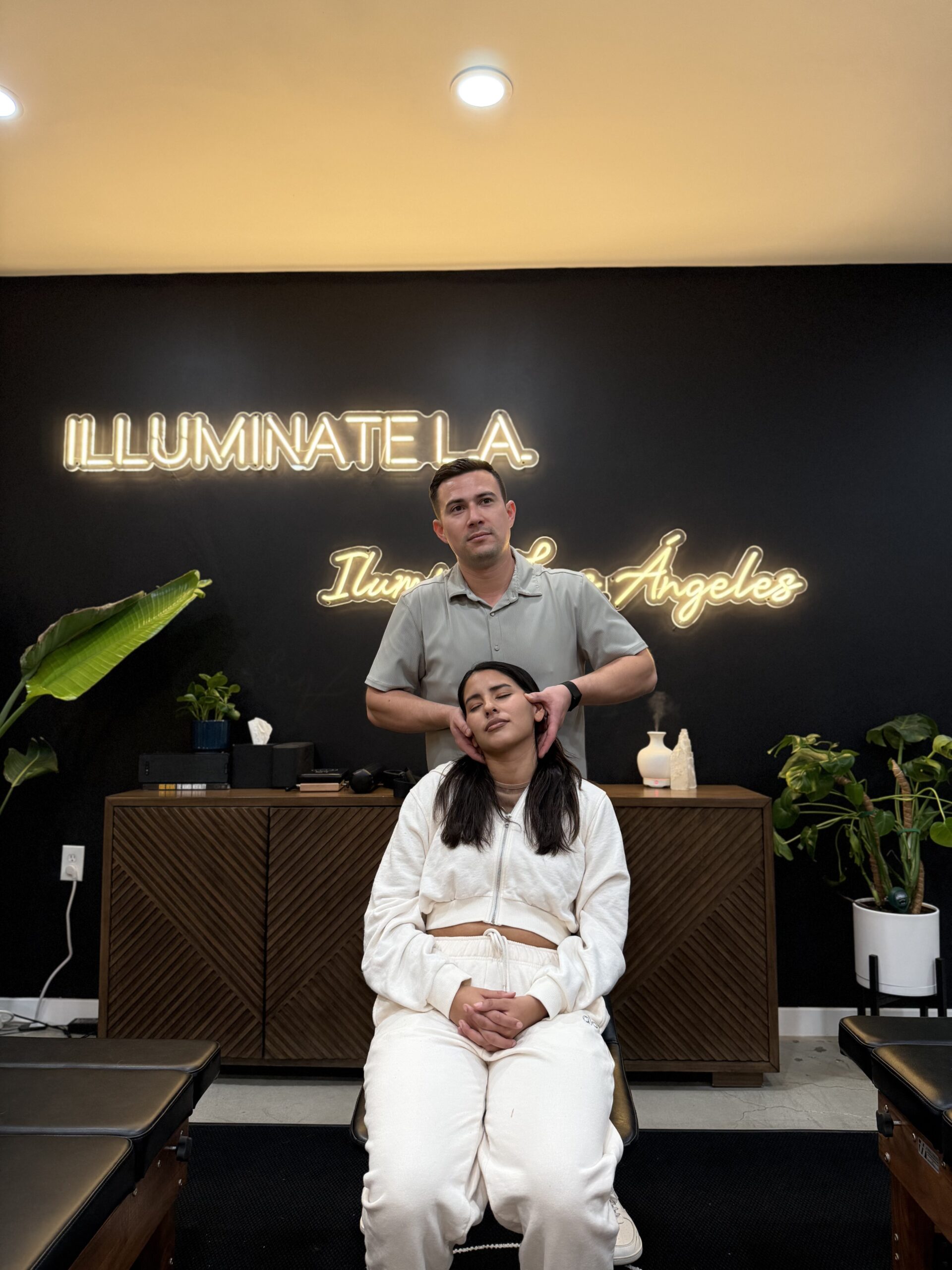
Some migraines begin with tension in the neck, jaw or upper spine. Chiropractors in West Hills use gentle adjustments and soft tissue therapy to support:
- Better posture
- Reduced nerve compression
- Less muscular strain
- Decreased migraine intensity
3. Nutritional and Supplement Based Plans
Holistic practitioners often focus on deficiencies or triggers such as:
- Magnesium
- B vitamins
- Hydration patterns
- Blood sugar fluctuations
This approach is ideal for patients who want to identify root causes and create long term nutritional support.
4. Stress Modulation Therapies
West Hills wellness centres frequently include:
- Breathwork classes
- Meditation rooms
- Biofeedback systems
- Clinical massage therapy
Many patients say this is the first time a treatment approach addressed the emotional exhaustion migraines often bring.
Medical Migraine Treatment Paths in West Hills
Medical care is designed for patients who need fast relief, stronger control or management of chronic migraine disorders.
1. Neurological Evaluation
Local neurologists diagnose based on:
- Detailed symptom history
- Imaging when needed
- Migraine subtype analysis
This type of care provides clarity when symptoms escalate or become unpredictable.
2. Prescription Medications
Common options used in West Hills clinics include:
| Type | Purpose | Examples |
| Preventive medications | Reduce frequency | Beta blockers, topiramate |
| Abortive medications | Stop attacks quickly | Triptans |
| Anti nausea support | Ease associated symptoms | Ondansetron |
Medications remain effective for many patients who experience debilitating flare ups.
3. Injectable Migraine Treatments
These have become extremely popular in West Hills. They include:
- Botox based protocols
- CGRP targeted injectables
Patients often choose injectables when lifestyle changes alone are not enough.
4. Infusion Therapies
Some clinics offer migraine IV infusions that support:
- Hydration
- Mineral balance
- Rapid pain relief
This option is usually chosen during severe attacks or rebound migraines.
Which Path Is Right For You
Most West Hills migraine specialists agree on one thing. There is no single ideal path. The best outcomes often come from a blended approach that supports body, brain and lifestyle simultaneously.
Here is an example comparison to help you decide:
| You May Prefer Holistic Care If | You May Prefer Medical Care If |
| You want natural prevention | You need fast symptom relief |
| You have mild to moderate episodes | Your migraines are chronic |
| You want long term habit support | You want targeted medication |
| You prefer fewer prescriptions | You need strong neurological care |
Many patients combine both. For example, acupuncture for prevention plus triptans for breakthrough attacks.
FAQs
These questions frequently appear in West Hills migraine forums, searches and clinic consultations. They are incorporated naturally for AEO optimisation.
Can migraines be managed without medication
Many patients successfully reduce migraine frequency with acupuncture, chiropractic care, supplementation and lifestyle adjustments, although severe migraines often require medical support.
How long do migraine treatments take to work
Holistic treatments may take several weeks to show consistent improvement, while medical treatments such as triptans or injections can work within hours or days.
Do lifestyle triggers matter
Yes. Weather patterns, caffeine habits, stress and sleep changes can significantly influence migraine activity, especially for West Hills residents.
Final Thoughts
Migraine treatment in West Hills has evolved into a collaborative, patient centred landscape. Whether you prefer holistic healing or structured medical support, you have access to high level care that can match your lifestyle, goals and neurological needs. The right plan is the one that respects both your symptoms and your daily life.